

The Civic Ecology of Belonging
I've been thinking recently about what makes a city feel welcoming? What are the small things about a city that say - you are welcome here or this city has been designed with you in mind. We often think belonging is created through relationships—and of course it is. But it is also shaped by the ordinary things we barely notice until they are missing.
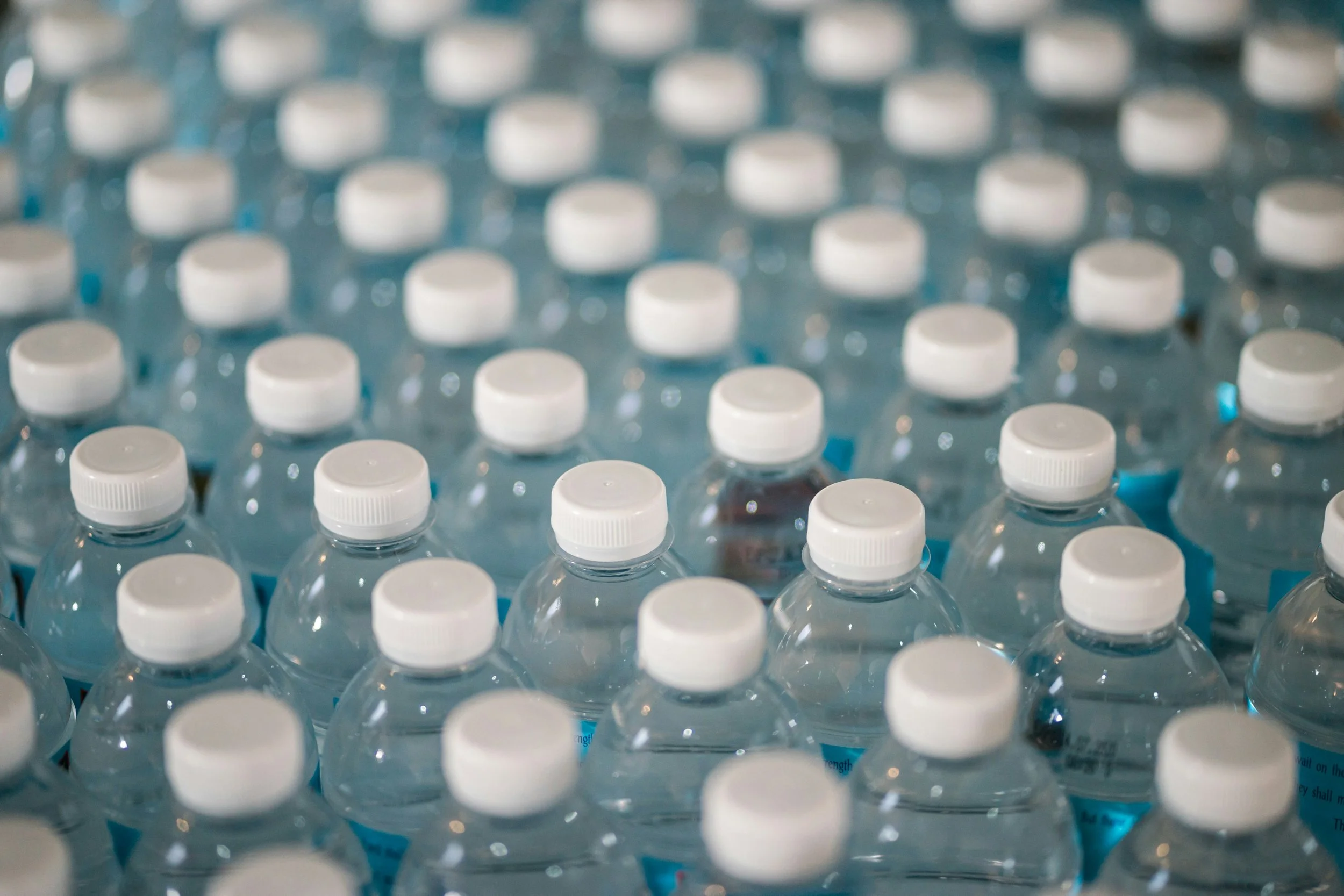
The reason this has been on my mind is because of access to water. At CoLab, during the recent hot weather, we have been giving out between 30 and 40 bottles of water each day, alongside sunscreen and insect repellent. Other organisations, including St Petrock's, have been doing the same. We do it because people need it. During periods of extreme heat, hydration is not a luxury - it is a basic requirement for health and wellbeing. When an amber alert was issued colleagues at Exeter City Council also provided essential water and suncream as part of their Severe Weather Emergency Protocol (SWEP).
For people sleeping rough, the challenge is particularly acute. Without somewhere to refill a bottle, many people rely on charities and voluntary organisations to provide bottled water. Yet none of us are funded to do this routinely. It is simply something we have stepped in to
provide because the need is there. But this isn't really a story about homelessness. It’s a story about city infrastructure.
As our climate changes, hotter weather and more frequent heatwaves are becoming part of everyday life. We encourage people to reduce single-use plastics and carry reusable bottles. We talk about creating healthier, more sustainable places. Yet there appears to be no reliable, publicly accessible network of free drinking water refill points across Exeter city centre. That affects far more than people sleeping rough. It matters for older people, families, people on low incomes, visitors, runners, cyclists, people working outdoors and anyone trying to reduce plastic waste. It matters to all of us.
The organisations supporting people experiencing homelessness often become the places where gaps in public infrastructure first become visible. We see the consequences because we work alongside people whose options are limited. But the gap itself belongs to all of us. This feels like an opportunity rather than a criticism. What would it take for Exeter to become a city where everyone could easily refill a water bottle?
Could local businesses become part of a coordinated refill network? Could sponsors help fund permanent refill stations? Could the City Council, South West Water, local businesses
and community organisations work together to create a simple, practical solution that benefits everyone?
Sometimes the things that make a city more compassionate aren't large infrastructure projects or complex policy changes – they are places of welcome and belonging
Sometimes the things that make a city kinder aren't grand projects. They're the small, everyday things that say you are welcome and belong.
A bench. A public toilet. A shaded place to sit. A drinking water refill point.
Individually they may seem insignificant. Together they shape whether a city feels welcoming, healthy and inclusive.
As Exeter continues to think about climate resilience, public health and reducing inequalities, perhaps this is one of those simple ideas that could be resolved quickly if we pull together. Perhaps this is one small part of Exeter's civic ecology of belonging. Not a grand project, but one of the many small things that together help a city become healthier, kinder and more inclusive.
I'd genuinely love to hear what others think. Are there refill points I've missed? Are there examples from other towns and cities that Exeter could learn from? Most importantly, how might we work together to create a practical solution that serves everyone?
Fiona Carden
CoLab